
The short answer
- Size and door material. A new door's cost depends on opening dimensions, steel construction, wood choices and decorative details.
- Insulation and glass. Insulation, window sections and perimeter seals change the door specification and total.
- Hardware and installation. Tracks, correctly sized springs, old-door removal and an added opener determine the remaining work.
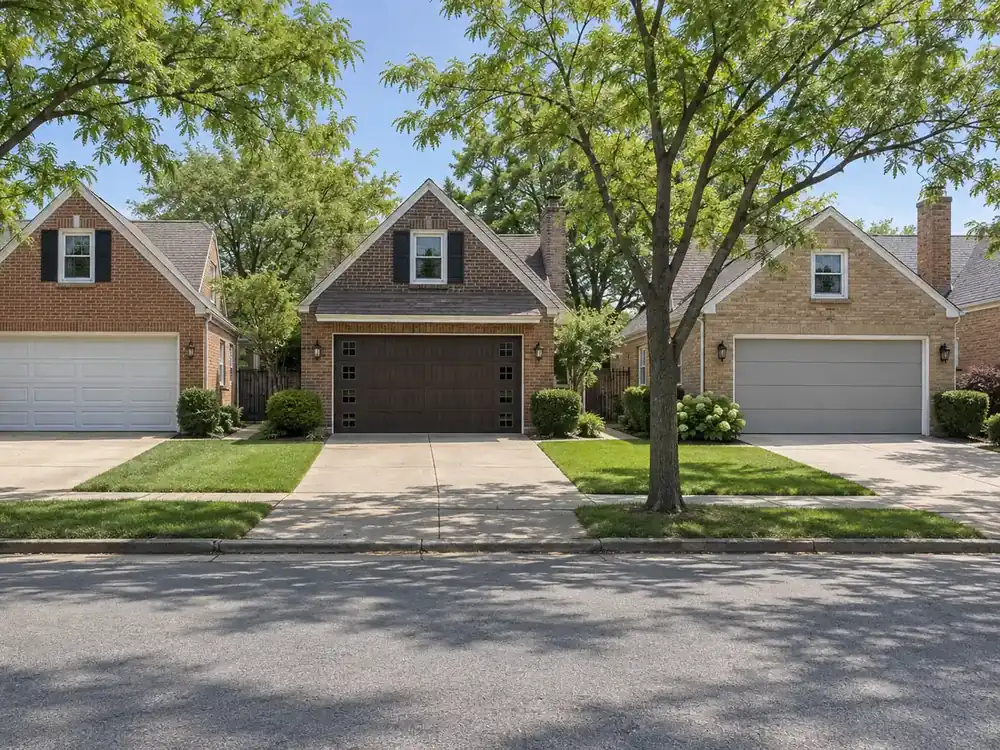
Door Choices That Shape the Installed Total
Opening Size Determines the Door
Opening width, height and space inside the garage set the starting requirements.
- Single and double openings. A double door uses a wider panel assembly and different lifting hardware than a single door. Actual measurements matter more than whether the garage holds one car or two.
- Wide detached garages. A broad opening in a detached garage also needs suitable headroom and side clearance. The garage door installation cost changes when fitting the door requires work beyond replacing the existing assembly.
- Existing opening condition. Damaged framing or an uneven opening can add preparation work. Your technician identifies fit problems so the new door specification accounts for the opening as it stands.
Material and Style Change Construction
Steel thickness, wood construction and decorative styling affect the door being ordered.
- Steel layers and thickness. Compare the construction details of each steel door, including the outer skin and backing. Doors with similar panel patterns can have different materials, weights and insulation packages.
- Wood and finish. Wood species, panel construction and finishing requirements change the order. Discuss the maintenance each finish needs as well as the appearance you want from the driveway.
- Carriage-house details. Carriage-house styling can combine textured panels, decorative hardware and window tops. Separate the base door specification from optional details so each choice has a clear place in the total.
Insulation and Seals Affect Comfort
Insulation, glazing and seals address different paths for heat loss and drafts.
- Cold-weather use. NWS Chicago climate normals show cold winter conditions, making insulation relevant when comparing Chicago-area garage doors. Consider how you use the garage and whether it shares a wall with living space.
- Insulation and R-value. The U.S. Energy Information Administration defines R-value as resistance to heat flow. Compare insulation specifications carefully; a stated material R-value does not describe every joint or gap around the installed door.
- Windows and seals. Window tops change daylight, privacy and the chosen glazing package. Bottom and perimeter seals also belong in the scope, especially where worn seals leave visible gaps around the closed door.
Installation Includes the Lifting System
What a garage door costs installed depends on the complete assembly and removal work.
- Tracks and lifting hardware. New tracks, springs and cables must suit the replacement door's dimensions and weight. Reusing old hardware should never be assumed simply because the new sections fit the opening.
- Removal and disposal. Garage door replacement cost includes more than bringing new sections to the house. The scope should identify taking down the existing door, removing old hardware and handling disposal.
- Opener added together. A replacement opener adds equipment, controls and setup to the installation. Discuss whether the existing opener suits the new door or whether opener installation belongs in the same project.
The Final Plan Starts With Measurements
A measured opening and a written specification make door choices easier to compare.
- Style approval planning. Call to discuss the door design and any association restrictions you already know about. Any applicable village or association approval belongs in the plan before the door is ordered.
- Scope and total. One of our local garage door partners will explain the selected door and installation charges before work starts. Compare the same materials, hardware and removal work when weighing different options.
- Damaged door safety. Keep away from a crooked door or broken spring and don't run the opener. Unplug the opener if safely reachable, and leave tensioned springs, cables, drums and bottom brackets to your technician.